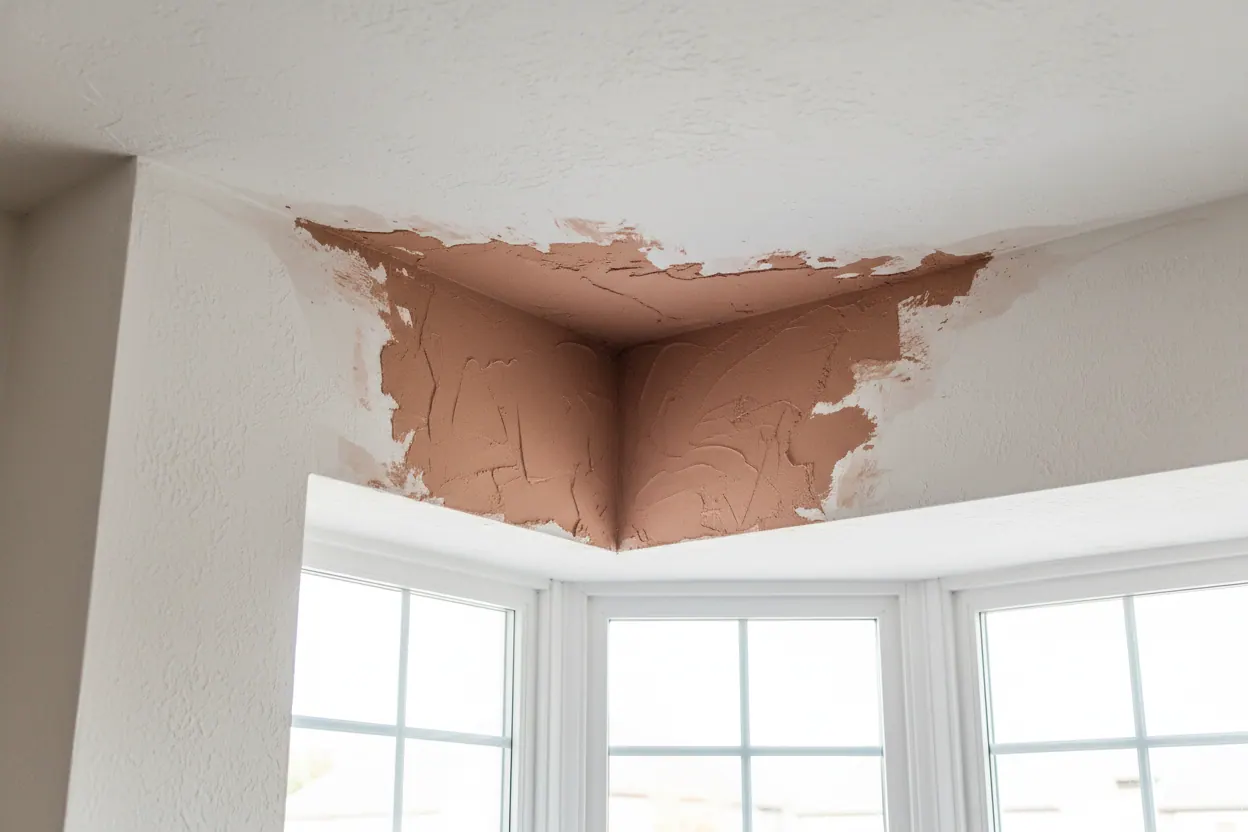
Skimming Walls After Wallpaper Stripping in Leeds
Need wall skimming in Leeds? We explain what skimming involves, when you need it, and how to get your walls ready for a perfect finish.

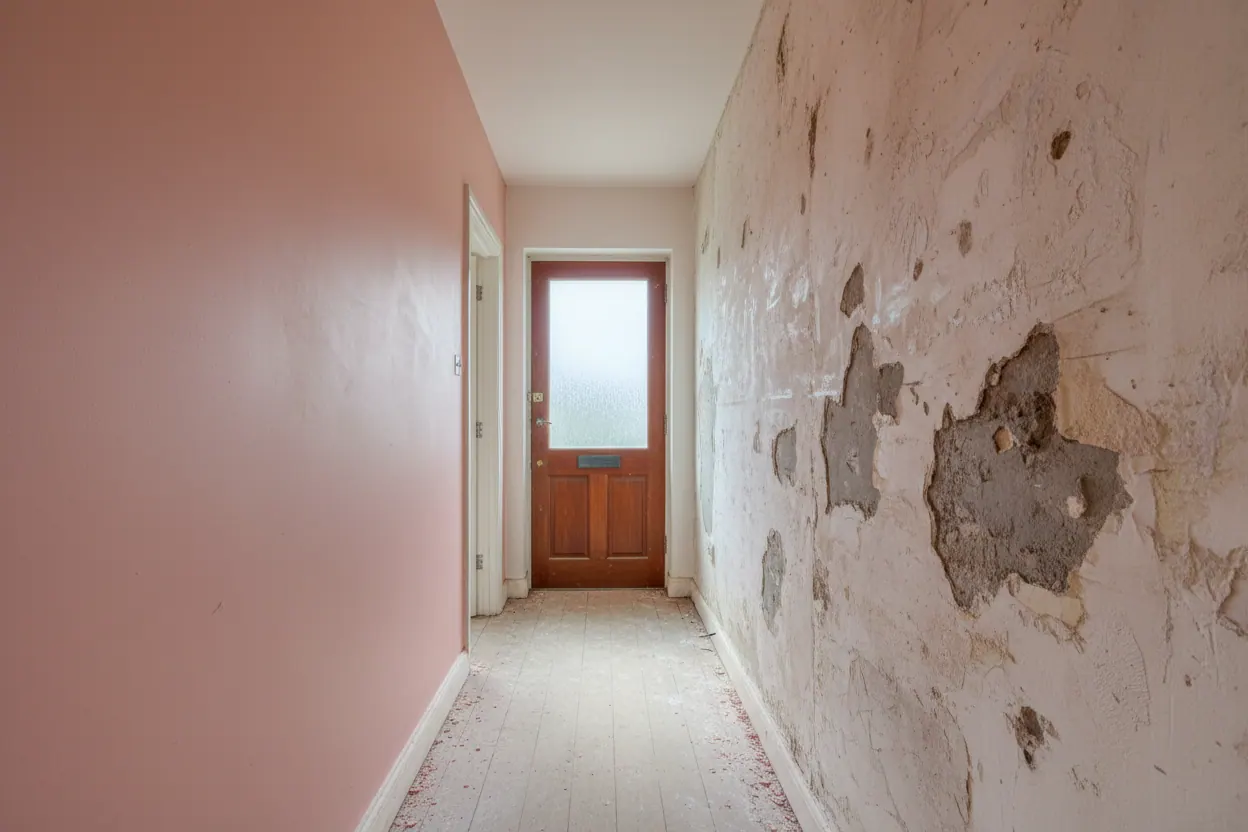
Wall skimming in Leeds: what it is and when you need it
Stripped wallpaper. Patchy filler. Old painted walls that have seen better days. These are the moments when people in Leeds start looking for a plasterer, and specifically for a skim coat.
Wall skimming means applying a thin, smooth layer of finishing plaster over a prepared surface. It is not a full replaster. The aim is a flat, even base that is ready for paint. Done properly, it turns a tired, uneven wall into one that looks clean and holds paint evenly.
Why so many Leeds walls need skimming
Leeds has a huge range of older property, including Victorian terraces, back-to-backs and 1930s semis. Walls like these have often been through decades of wallpaper, paint, patches and general wear. When people redecorate, they strip the paper and see what is underneath.
Sometimes the plaster is sound and just needs a skim. Sometimes it is damaged or hollow in places. You often do not know until the paper comes off. Common reasons for wall skimming include:
- Walls left rough after wallpaper stripping
- Plaster with a build-up of paint texture
- Patches where fittings, brackets or shelves have been removed
- Making good after an electrician or plumber has chased cables or pipes
- Rooms being refreshed before a new coat of paint
Skim or full replaster: which do you need?
Skimming works when the wall beneath is solid. Full replastering is needed when it is not.
Tap the wall. A hollow sound, or sections lifting away, means a skim will not fix it. A thin finish coat over loose plaster is a short-term solution that will fail. The right approach is to take the damaged plaster off and start again. See our page on full re-plastering.
Signs a full replaster is more likely:
- Large areas that sound hollow or loose
- Plaster crumbling at the edges or cracking in a map-like pattern
- Past water damage, once the source has been fixed by the right specialist
- Old plaster that has simply reached the end of its life
If the wall is broadly solid but uneven or tired, a skim is usually the right option.
Preparing walls before skimming
Good preparation makes a real difference to how well a skim lasts.
- Strip wallpaper completely. Paper left on the wall can make a skim bubble or lift. Remove the backing layer too.
- Check for loose plaster. Tap the wall and mark anything that sounds hollow.
- Remove fittings. Take down picture hooks, shelves and anything in the way.
- Clear the room. Floor-to-ceiling access to the wall matters.
- Mention any leaks or damp. The cause must be fixed by the right specialist before plastering. Plastering over active damp will not work.
What happens during skimming
Once the surface is prepared, a thin coat of finishing plaster is applied and worked flat, then finished to a smooth, tight surface. Timing matters: too dry and the plaster drags, too wet and it will not hold a finish.
After that, the plaster must dry fully before it is painted. How long that takes depends on the thickness of the coat, the temperature and the ventilation in the room, so there is no fixed timescale. Wait until it has dried evenly all over. Painting too early traps moisture and causes problems.
New plaster is also usually given a thinned first coat of paint, often called a mist coat, rather than standard emulsion straight away. Your decorator will know about this.
Skimming over painted walls
Skimming over existing paint is possible with the right preparation. Paint is a non-porous surface, so a bonding product is normally used to give the new plaster something to grip. If the paint is flaking or peeling, that has to come off first, because a skim is only as good as what is beneath it.
For walls painted many times with a noticeably uneven texture, a full skim is often the cleanest solution because it levels everything out.
Textured coatings on older walls
Some properties, particularly those built or renovated in the 1970s and 1980s, have textured coatings on walls and ceilings. If you are unsure what a coating contains, have it tested before anyone disturbs it. Do not guess. If it is confirmed safe and sound, overboarding with plasterboard and then skimming can be a practical route to a smooth finish. Our plasterboarding page has more detail.
Frequently asked questions about wall skimming in Leeds
Can I skim coat a wall myself? You can try, but getting a truly flat, smooth finish with finishing plaster takes real practice. The material sets quickly and timing is everything. For a wall you will paint and live with, it is usually worth having it done properly.
Do I need to skim before I paint? Not always. If walls are smooth, sound and only need fresh paint, you may not need a plasterer. If the surface is uneven, patchy or damaged, skimming first gives a much better result, because paint tends to highlight imperfections rather than hide them.
How do I know if I need skimming or full replastering? Tap the wall. Solid plaster gives a firm sound. Hollow or loose plaster sounds dull and may flex. If large areas sound hollow, or the plaster is crumbling, replastering is likely. If the wall is solid but rough or patchy, a skim is usually enough.
Can you skim over wallpaper? No. Wallpaper should be stripped completely before skimming.
Thinking about getting your walls skimmed before you redecorate? Use our quote form and tell us about the job. Photos help, and our guide on how to tell a good plasterer in Leeds explains how to take useful ones.