How to Tell a Good Plasterer in Leeds
Looking for a good plasterer in Leeds? Here's what to check before you book, and how to know the finished job has been done properly.

What makes a good plasterer in Leeds?
Plastering looks simple from the outside. Someone mixes plaster, spreads it on the wall and leaves. But if you have lived with a finish that has gone patchy, cracked within months or dried with trowel lines across it, you know there is more to it.
A good plasterer works cleanly, communicates clearly and leaves walls and ceilings that are flat, smooth and ready to decorate. Leeds has a wide mix of housing, from Victorian terraces and back-to-backs to 1930s semis and newer builds, and each presents different plastering challenges. Someone who understands that mix is better placed to give you the right advice before a trowel touches the wall.
Signs of quality work
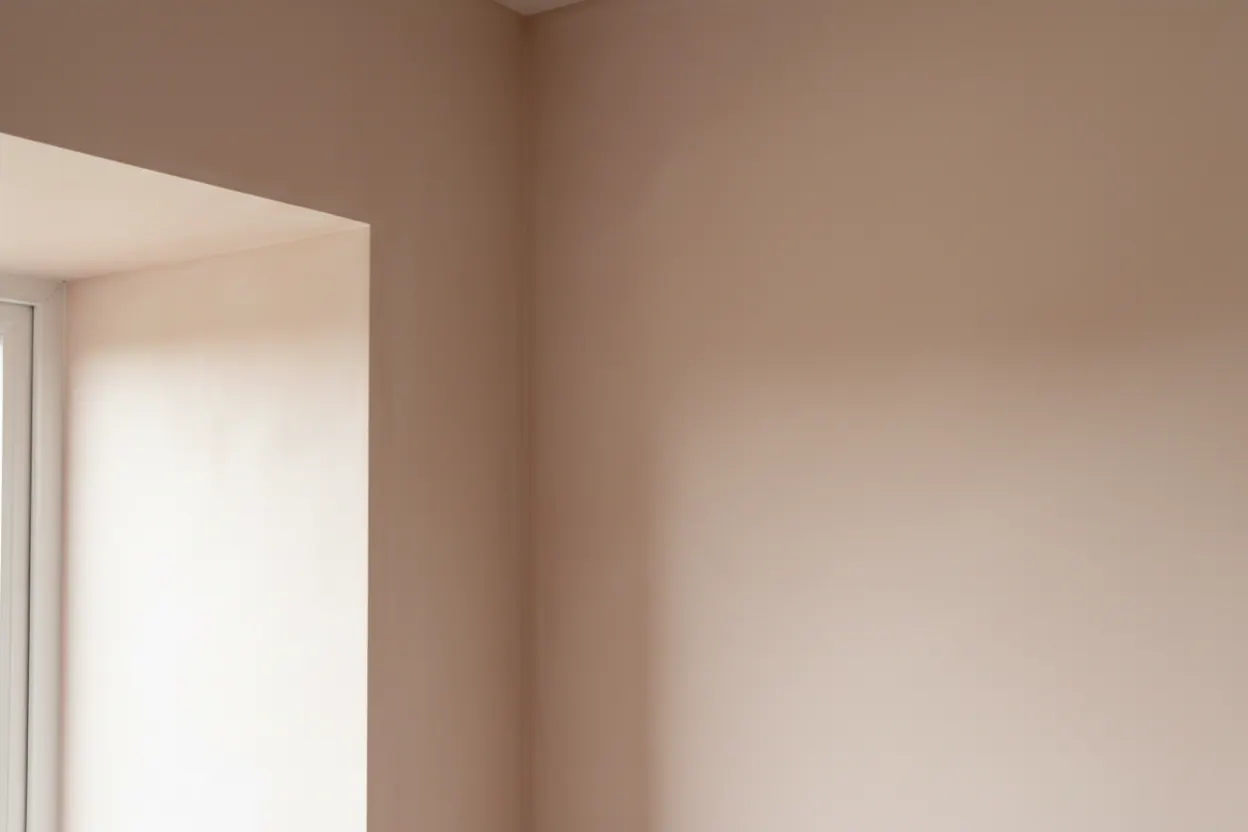
A flat, even surface. Hold a torch at a low angle across a dry plastered wall. Hollows, ridges and trowel marks show up immediately. A well-skimmed wall should be consistently flat.
Neat edges and corners. Where walls meet ceilings, or two walls meet, lines should be crisp and straight.
No major cracking during drying. Very fine shrinkage cracks can happen as plaster dries, but large cracks appearing within days can point to a problem with the mix or the plaster being applied too thickly.
Clean protection. A good plasterer protects floors, sockets and door frames before starting and leaves the room tidy.
Honest advice before the job. Someone who quotes without properly looking at the walls and the condition of the existing plaster deserves a few questions. Good tradespeople ask them.
Questions to ask before you book
You do not need to interview anyone. A few straightforward questions tell you a lot.
- What preparation does the wall or ceiling need first? A knowledgeable plasterer will talk about the condition of the surface and how it will be prepared. Vague answers are a red flag.
- Who will be doing the work? Not always a dealbreaker, but worth knowing.
- How will the room be left? Ask about waste, sweeping and materials.
- What do I need to do before you arrive? Expect to be asked to clear the room and move furniture.
What to look for in a quote
A quote should tell you what work is being done, on which surfaces and how.
A proper quote for wall skimming should say whether the existing plaster is being skimmed over or taken off and re-done. Those are two very different jobs.
For plaster repairs, it should say what is being repaired and how. Filling a crack and skimming over it is not the same as cutting out hollow plaster and making it good. One lasts. The other often does not.
If a quote is vague, ask for more detail. A good plasterer expects that.
How to photograph walls and ceilings for a quote
Photos save everyone time, and good ones make a real difference.
- Use natural light rather than flash, which flattens everything and hides damage.
- For cracks, get close enough to show width and length, then take a wider shot for context.
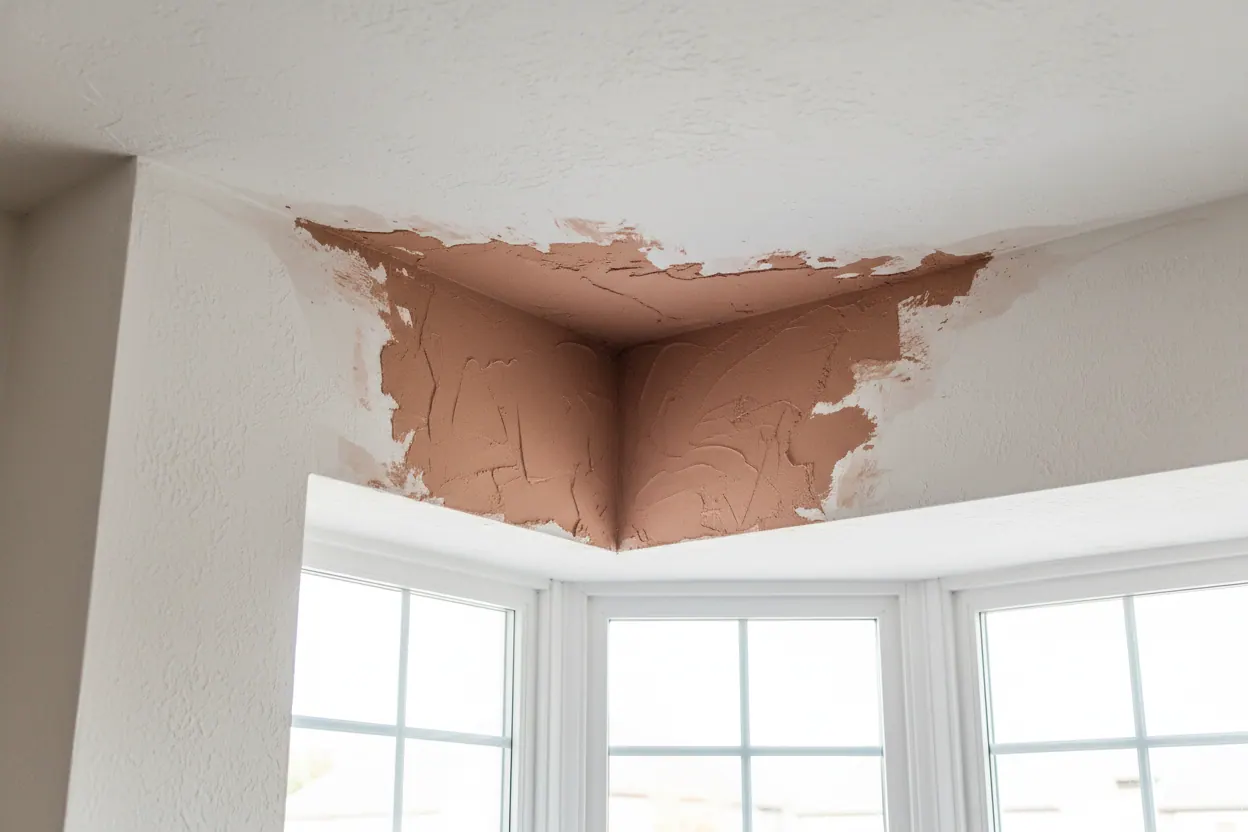
- For a ceiling, stand in a corner and shoot diagonally across it. This shows sagging, staining and unevenness better than a straight-up shot.
- For a whole room, photograph each wall plus a wide shot from the doorway.
- Include something for scale, such as a ruler or a hand.
Replaster or just skim? Getting the right advice
A common question is whether walls need full re-plastering or whether a skim over the existing surface will do.
It depends on what is underneath. If the existing plaster is sound, well bonded and just tired or rough, a skim is often right. It is less disruptive and creates less dust and waste.
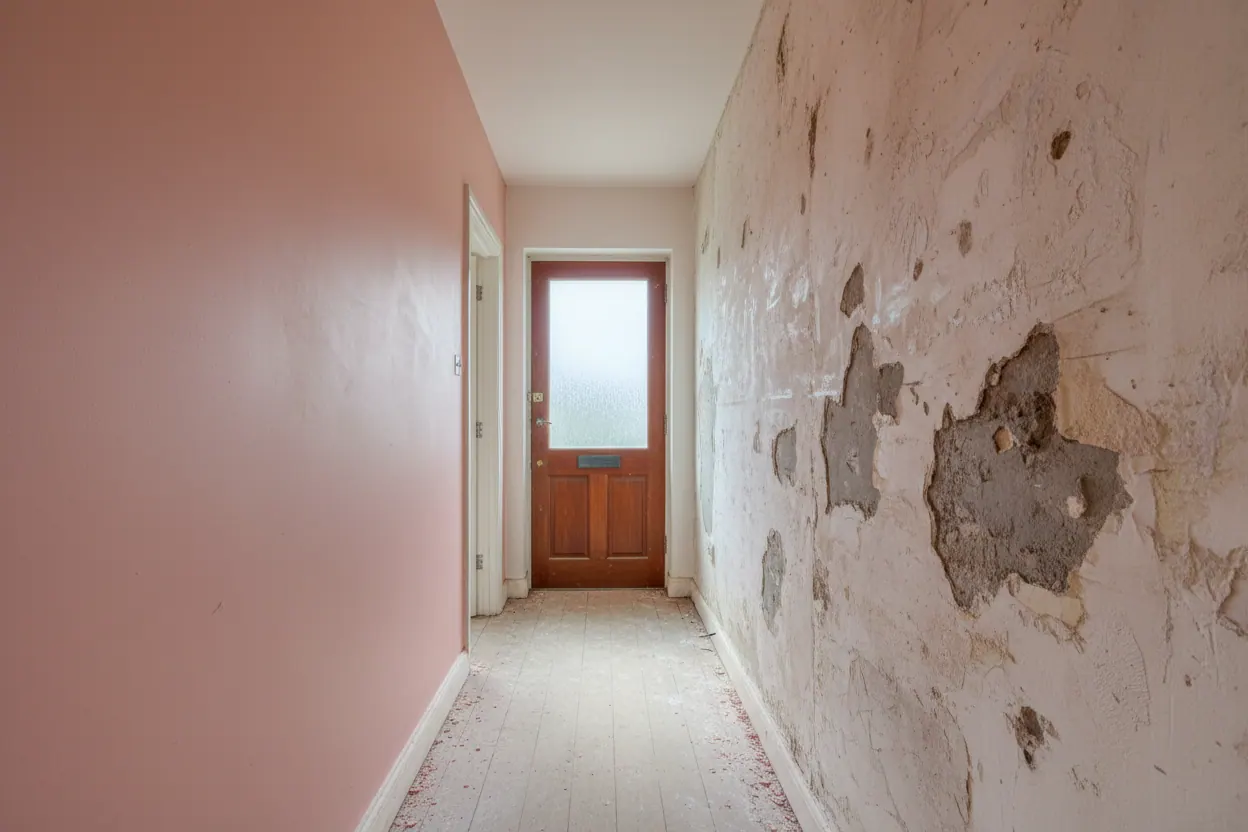
If the plaster is hollow in places, repeatedly patched, crumbling at the edges or was damaged by a leak that has since been fixed, skimming over the top stores up problems. The better answer is to take it back and start again.
A good plasterer will tap the wall, assess it and give an honest recommendation. If someone quotes for a skim without checking whether the plaster is sound, ask why.
After the electrician or plumber: making good properly
Plenty of plastering work follows other trades. An electrician chases cables into walls. A plumber cuts out sections for pipework. A fitter removes units and leaves holes and raw patches behind.
Plaster patching and making good after this kind of work means building the patch up flush with the wall and blending the edges so the repair disappears once painted. Done badly, it shows through every coat of paint.
If you have had trade work done and plan to redecorate, get the walls assessed before you paint. Filler over a deep chase is not the same as a proper plaster repair.
Leeds property types and plastering
Older properties such as Victorian terraces and back-to-backs often have walls that have been patched and painted over many times. When these are in poor condition, the existing surface needs careful assessment to decide what will hold and what needs to come off.
Cracks in older walls are often cosmetic, but some can point to movement that should be investigated before any plastering starts.
Newer builds use plasterboard throughout. These walls are easily damaged during renovation, and plasterboarding and skimming is often needed when rooms are changed or the original finish is beyond repair.
Frequently asked questions
How can you tell a good plasterer? Look at the finished surface once it is dry. Hold a torch at a low angle: a well-plastered wall should be flat with no trowel lines, ridges or hollows. Good plasterers also prepare surfaces properly, protect the room and give clear answers before and during the job.
Can a plasterer do a room in a day? A small room can sometimes be skimmed in a day, but the job does not end there. Fresh plaster needs to dry fully before painting, and that depends on thickness, temperature and ventilation. Ask your plasterer what to expect once they have seen the room.
What should I do to prepare a room? Clear as much as you can. Move furniture out or to the centre and cover it. Take down curtains, pictures and anything fixed to the walls. Protect the floor and let the plasterer know about any cables, pipes or fixings near the surface.
My wall has cracks. Should I be worried? Most cracks are cosmetic. Hairline cracks around door and window frames are usually nothing to worry about. Wider cracks, diagonal cracks from corners, or cracks that keep returning after filling can point to movement that should be checked by a specialist before plastering.
If you have walls or ceilings that need attention in Leeds, the easiest way to start is to use our quote form with a few photos and a short description. You can also read about AM Wallshielding Ltd.